Thursday, 29 October 2026
New agreements in Forbes and Cowra highlight the potential to turn organic waste into renewable gas, supporting regional economic development and Australia's energy security and emissions reduction goals.
Forbes is known to many Australians as a filming location for the 2000 film The Dish, which celebrated innovation, community spirit and neighbouring Parkes' contribution to the moon landing.
More than 25 years later, Forbes could again become part of a national story. This time, the town could help demonstrate how regional agricultural communities can turn organic waste into renewable gas, creating opportunities for local economies while contributing to Australia's energy future.
Forbes and Cowra are emerging as potential centres for renewable gas production, converting agricultural by-products and organic waste into biomethane. This renewable gas can be transported through existing gas networks to supply customers across New South Wales, particularly businesses and industries that are difficult to electrify. Newly signed memoranda of understanding (MOUs) with Jemena are an important step towards developing these opportunities.
The first agreement, with Topsoil Organics in Forbes, supports plans for an anaerobic digestion facility expected to produce around 150TJ of biogas annually, including approximately 100TJ of biomethane for injection into the gas network. Forbes currently uses around 40TJ of gas each year, meaning the project could eventually produce more than double the town's current demand, with surplus biomethane potentially available to other users.
The second agreement supports Clean Core Development's plans for a renewable gas facility in Cowra capable of producing more than 275TJ of biomethane annually from agricultural residues and organic waste streams. The project is also exploring an Australian-first concept to compress renewable gas produced in regional NSW back into the broader transmission system, making it available to customers across the east coast.
These projects have the potential to attract regional investment, create local jobs, support supply chains and provide new revenue opportunities for farmers by turning agricultural residues and organic waste into valuable energy products.
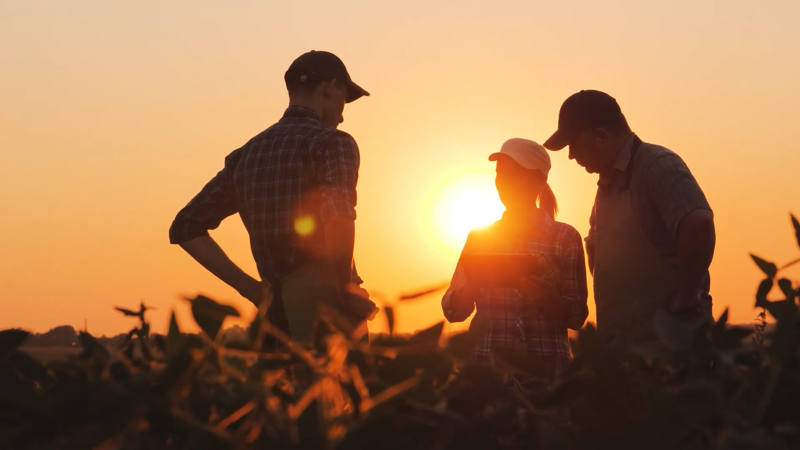
For councils considering local economic development and organic waste management, projects such as those proposed in Forbes and Cowra offer a practical example of the circular economy benefits derived from renewable gas production. Materials that would otherwise present a disposal challenge can become inputs to a new industry, with potential benefits across the local economy.
The opportunities also extend beyond regional NSW. Renewable gas offers customers a potential pathway to reduce emissions while continuing to use existing equipment and processes. This is particularly relevant to manufacturers and industrial businesses that require high-temperature heat and face significant challenges in electrifying their operations, or that use gas as a raw material in their products.
Australia's large and complex energy system is unlikely to be served by a single solution. Reducing emissions while maintaining affordability and reliability will require multiple technologies working together. Biomethane projects, including those being developed in Forbes and Cowra, could contribute to that mix, using existing gas networks while supporting regional jobs, new income streams for farmers and a practical energy transition for customers.
For councils and regional communities, the next chapter in this story could be about turning local waste into new economic opportunities.